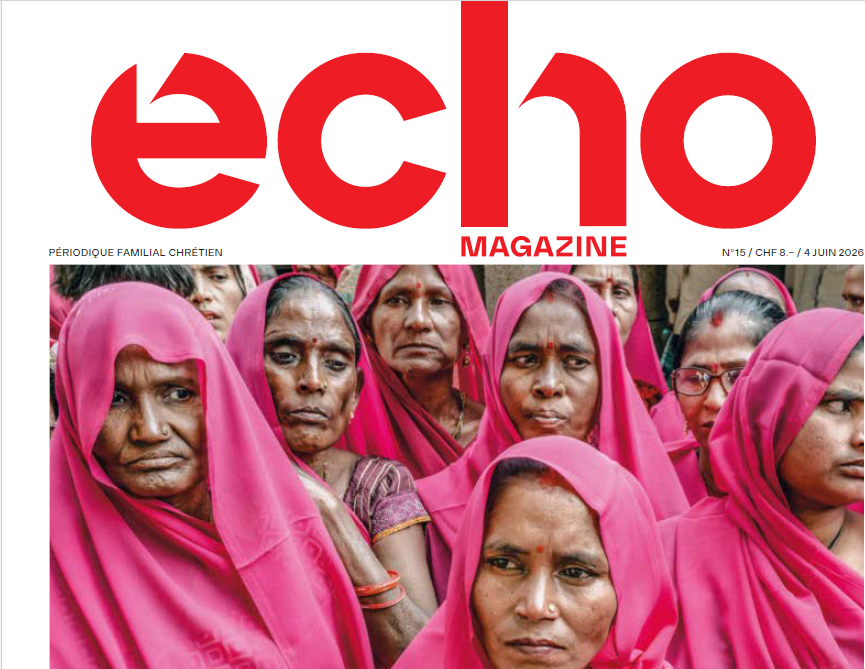
The Gulabi Gang, or Pink Gang, is a women’s social justice movement associated with activist Sampat Pal Devi. Established in 2006 in rural northern India, the movement became known for its distinctive pink saris and its work around issues affecting women, including domestic violence, child marriage, and social injustice. The pink sari became more than traditional clothing—it developed into a recognizable symbol of collective identity and women standing together.
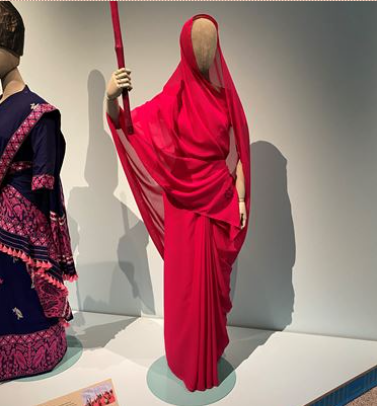
The story of the Gulabi Gang has also reached audiences outside India. Exhibitions and films have presented the pink sari as a symbol of protest, courage, identity, and social change. A pink sari associated with Sampat Pal Devi was featured in the Design Museum’s “The Offbeat Sari” exhibition, highlighting how clothing can carry powerful social and cultural stories. The movement has also inspired creative works, including the documentary Pink Saris and the novel Roar.
The story reminds us that a simple piece of clothing can become a powerful symbol when connected with a collective movement. For many people, the pink sari represents solidarity and the determination of rural women to speak about problems that affect their lives. Its appearance in international cultural exhibitions shows how stories of women’s struggles in rural India can become part of wider conversations about equality, identity, and social change.