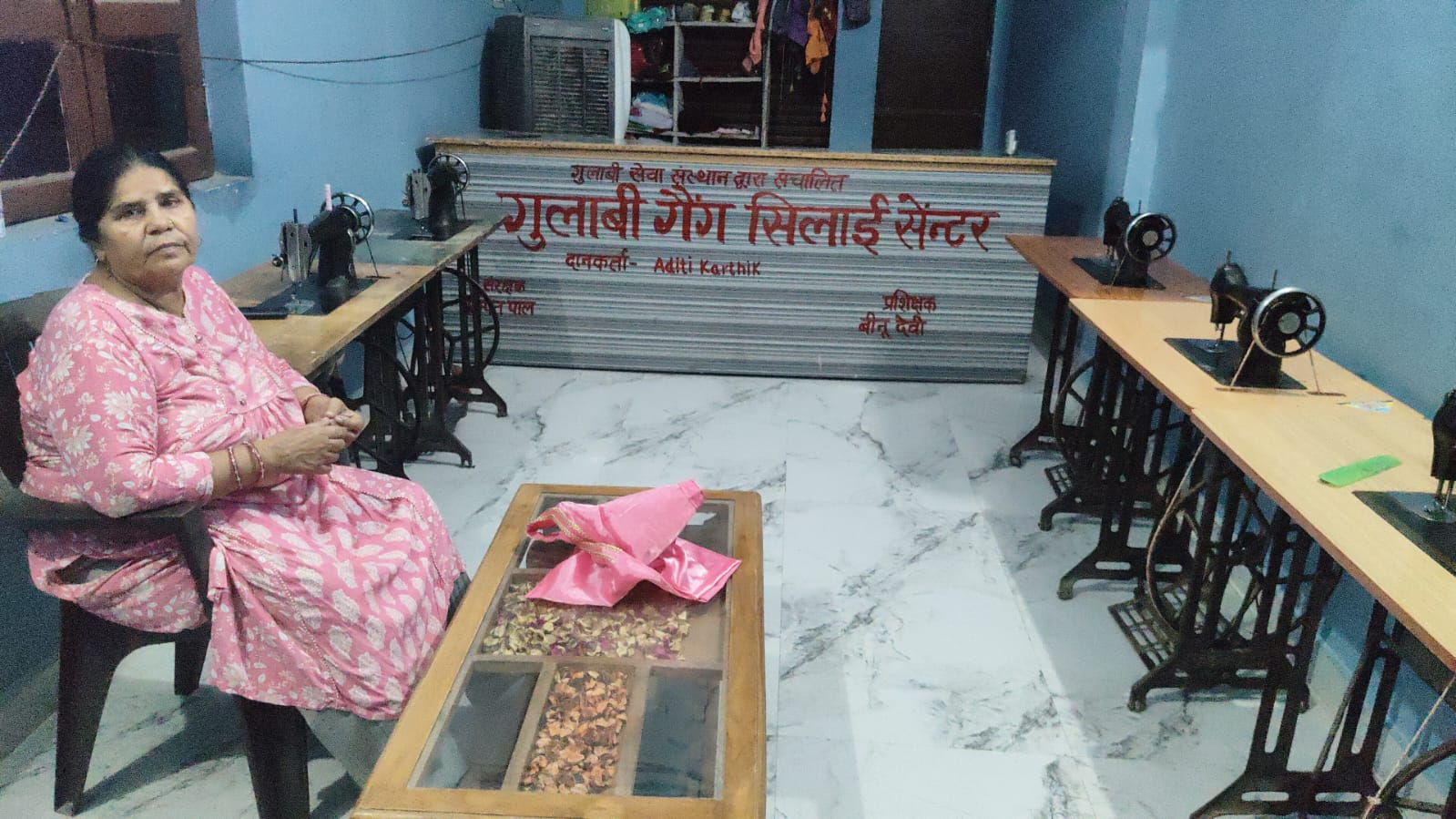
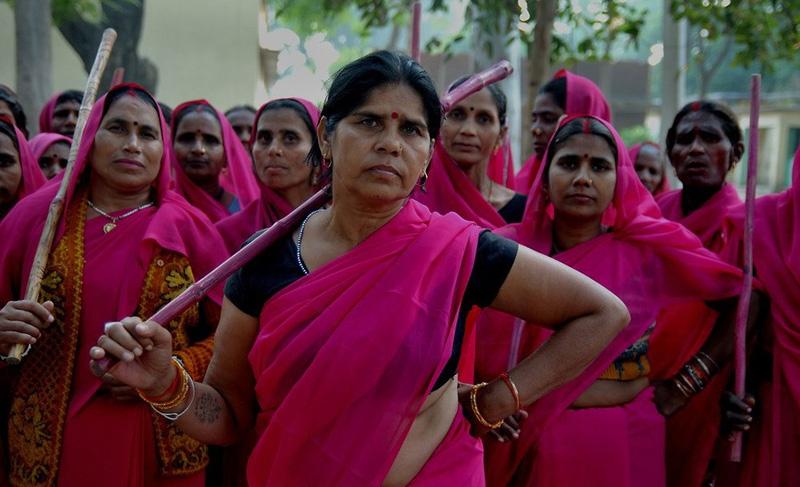
In the heart of rural India, where many women have long struggled against domestic violence, social injustice, corruption, and discrimination, a powerful movement emerged wearing bright pink sarees and carrying fearless determination. That movement is known today as the Gulabi Gang.
Founded by Sampat Pal Devi in the Bundelkhand region of Uttar Pradesh, Gulabi Gang started as a grassroots effort to help women who had nowhere to turn for justice. What began as a small local initiative soon became one of the most recognized women-led movements in India and across the world.
The Beginning of a Pink Revolution
The story of Gulabi Gang began with a simple but powerful idea — women should not suffer in silence.
In many villages, women faced domestic violence, child marriage, social discrimination, lack of education, and corruption within local systems. Fear and silence often prevented victims from speaking out. Sampat Pal Devi realized that individual voices were being ignored, but collective voices could create real pressure for change.
To unite women under one identity, the movement adopted the pink saree as its symbol. Pink, traditionally associated with femininity, became a symbol of courage, resistance, unity, and empowerment.
Today, the pink saree is recognized globally as the identity of Gulabi Gang.
Fighting for Justice at the Grassroots Level
Unlike many organizations that operate only through offices and campaigns, Gulabi Gang works directly on the ground in villages and rural communities.
The movement supports women facing:
- Domestic violence
- Dowry harassment
- Child marriage
- Land disputes
- Corruption
- Workplace exploitation
- Social discrimination
Members often travel together to police stations, government offices, and villages to ensure women’s complaints are heard seriously. Their collective presence creates confidence among victims and accountability among authorities.
The strength of Gulabi Gang lies in unity. When one woman faces injustice, many women stand beside her.
More Than Protest — A Movement for Awareness
Over the years, Gulabi Gang has expanded its mission beyond immediate justice. The movement now focuses heavily on awareness, education, and women’s leadership.
Community meetings, village gatherings, legal awareness sessions, and public discussions help women understand:
- Their legal rights
- Government welfare schemes
- The importance of education
- Financial independence
- Social participation
The movement encourages women to become active participants in society instead of silent observers.
International Recognition
The work of Gulabi Gang has attracted attention far beyond India.
International media, researchers, documentary filmmakers, artists, and human rights organizations have highlighted the movement as a unique example of grassroots women empowerment.
The movement’s work has been featured in:
- Newspapers
- International documentaries
- Art exhibitions
- Academic studies
- Global women empowerment discussions
The pink saree movement has become a symbol of resistance not only in India but around the world.

Why Gulabi Gang Matters Today
Even today, millions of women in rural areas continue to face challenges related to safety, inequality, poverty, and access to justice.
Gulabi Gang represents hope for those women.
It proves that change does not always begin in big cities or powerful institutions. Sometimes, change begins in villages, among ordinary women who decide they will no longer accept injustice.
The movement continues to inspire women to raise their voices, support one another, and fight collectively for dignity and equality.
Conclusion
Gulabi Gang is more than a women’s organization. It is a living example of courage, unity, and grassroots activism.
From small villages in Bundelkhand to international recognition, the movement has shown the world that empowered women can transform society.
The pink saree has become more than clothing — it has become a symbol of resistance, justice, and hope.